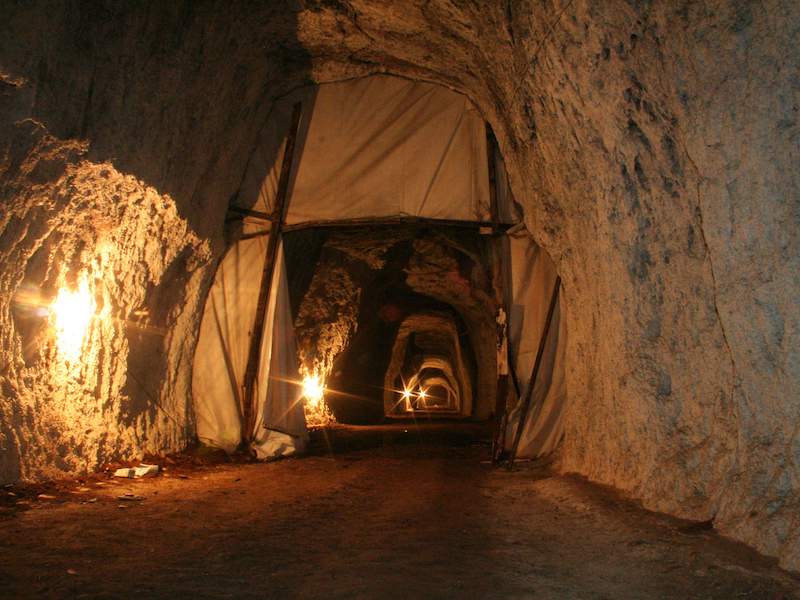
Protected Area
Identity Card
- Land Surface Area: 3'370.00 ha
- Regions: Lazio
- Provinces: Roma
- Municipalities: Ciampino, Marino, Roma
- Establishment Measures: LR 66 10/11/1988
- PA Official List: EUAP0446
- Park Authority: Ente Parco Regionale dell'Appia Antica
The Park
The one-of-a-kind parc
Appia Antica Park is a protected area of regional interest, established by Regional Law no. 66 dated November 10th 1988 "Institution of the Appia Antica regional suburban park".
When the Regional Law no. 29 was passed in 1997 the area of the Park was enlarged as Tor Marancia was annexed.
The Park's aims are conservation and enhancement of its territory to allow people to enjoy the extraordinary scenic beauty, to learn about and study this fundamental historic, artistic and natural heritage.
(All the following links lead to Italian texts)
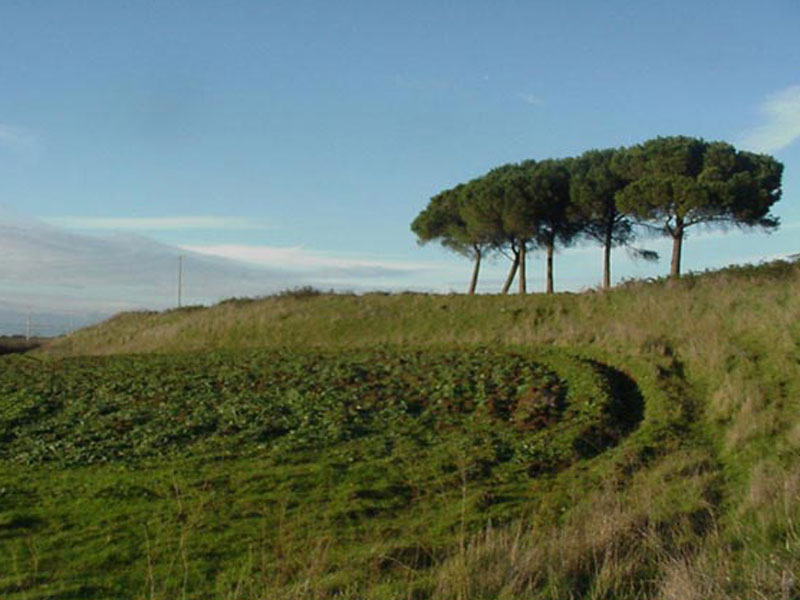
The Landscape
The Park appears as a mosaic of different environments. Large areas used for cultivation and extensive grazing are interrupted by uncultivated areas, residual patches of woodland, where agricultural exploitation has not arrived or has long since ceased, ditches with riparian vegetation, and some wetlands.
These semi-natural environments and the agricultural context of which they are part, represent the so-called agro-ecosystem of the Roman countryside.
Further information (in Italian)
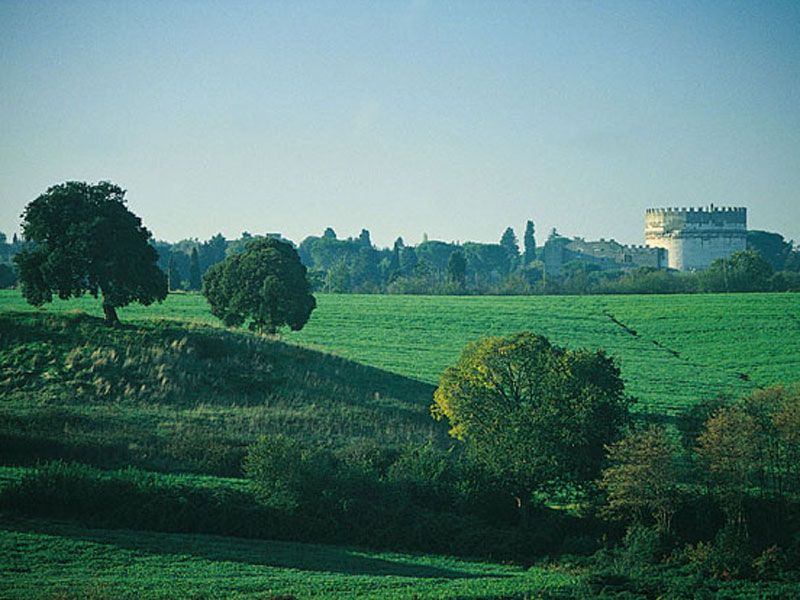
Biodiversity
In the ecological network of Rome, the Park represents the most important biological passageway for natural elements inside the urban centre, as well as for its biodiversity elements.
A visit to the Park holds, for the most attentive observers, many surprises in terms of both vegetation and fauna. Some areas, more than others, are places where nature has preserved or regained important spaces.
(All the following links lead to Italian texts)

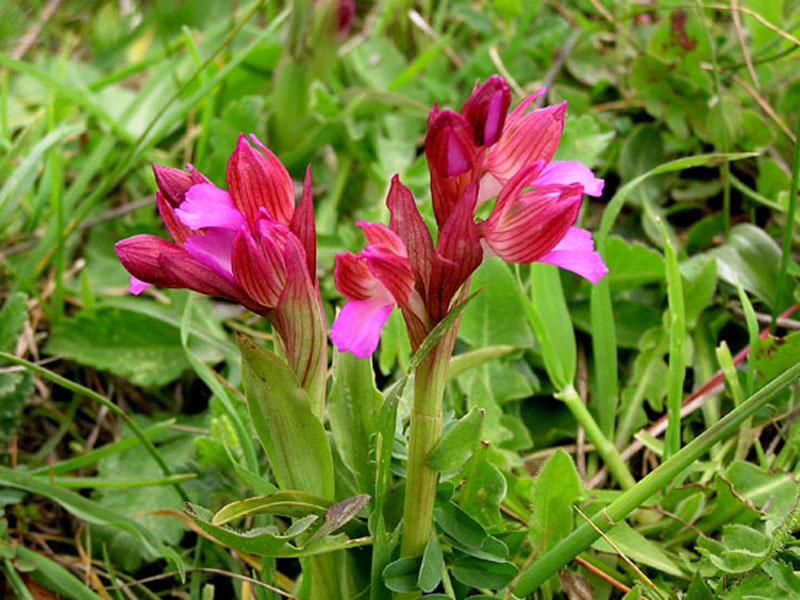

Geology
The Park territory lies at the foot of the Vulcano Laziale (or the Alban Hills volcano), a volcanic complex created about 600,000 years ago. At the peak of its eruptive activity, it reached an altitude of 2,000 meters.
The Appia Antica rests on the most imposing of the lava flows of the Vulcano Laziale, that of Capo di Bove.
With its 50 kilometres in diameter, the Vulcano Laziale represents the largest volcanic complex and the largest volume of lava and erupted pyroclastic products in Latium: a vast covering of volcanic deposits that covered an area of about 1,500 square kilometers, from the lower Tiber Valley to the Pontine Plain.
Further information (in Italian)