Riserva Naturale della Foce dell'Isonzo
Protected Area
Identity Card
- Land Surface Area: 2'338.00 ha
- Sea Surface Area: 1'154.00 ha
- Regions: Friuli Venezia Giulia
- Provinces: Gorizia, Udine
- Municipalities: Fiumicello, Grado, San Canzian d'Isonzo, Staranzano
- Establishment Measures: LR 42, art. 47 30/09/1996
- PA Official List: EUAP0981
- Park Authority: Associazione dei Comuni di Fiumicello, Grado, San Canzian d'Isonzo, Staranzano (organo gestore)
The Reserve
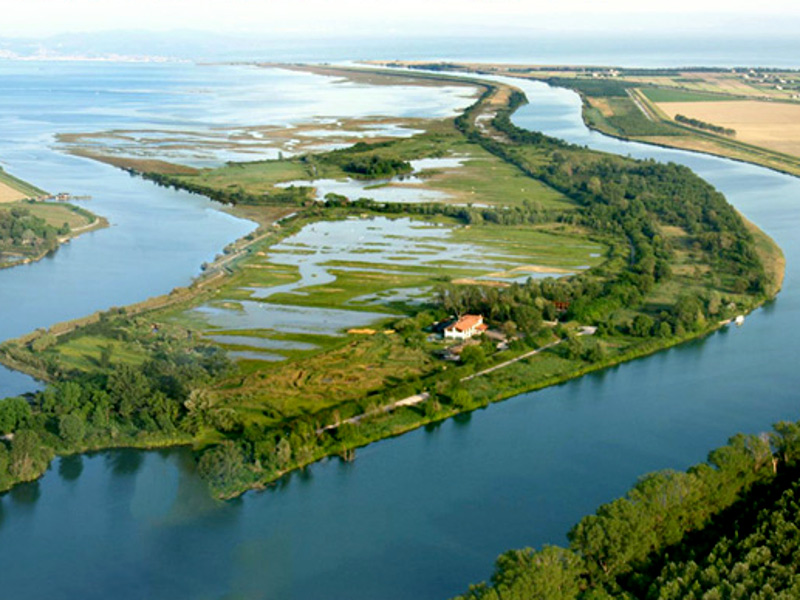
The Reserve develops in the easternmost side of the Po valley, and it includes the last part of the high plain river sector characterized by pebbly floods, and the low valley sectors with mainly muddy soils, where the reclamation works of the 20th century were carried out. In this stretch are still present the remains of floodplain woods and canalized spring water courses. In the southernmost part of this area, the river mouth area - mostly marsh area - is characterized by clayish floods and by the sandy sediments emerging with some islets.
Read more (Italian text)
Fauna
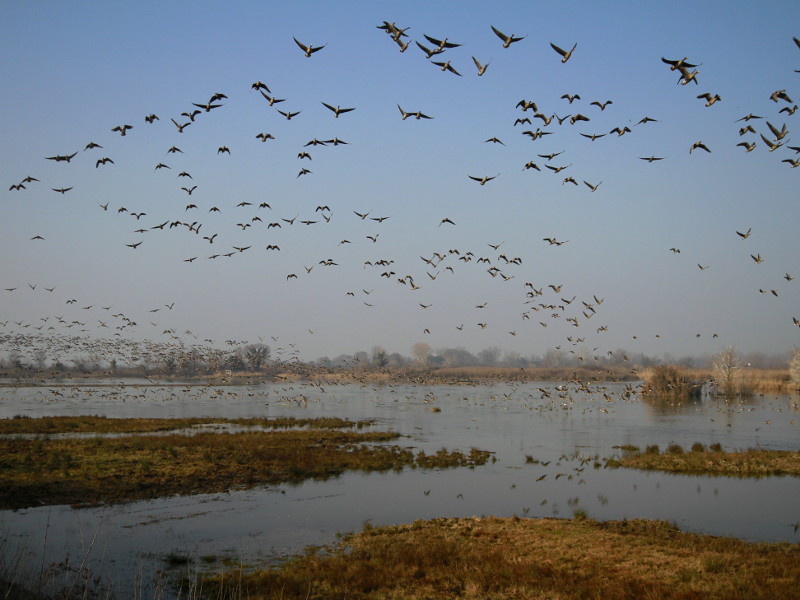
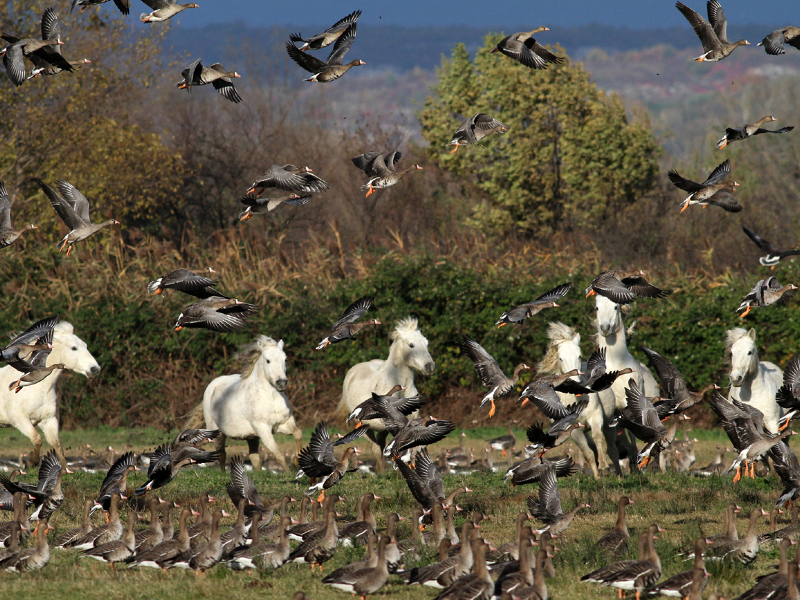
The great environmental heterogeneity and the location in a junction point between different biogeographical areas are shown by the presence of structured animal communities. As regards the bird species, the Reserve hosts many wintering Anseriformes, such as the Eurasian wigeon, the Eurasian teal and the greater white-fronted goose. Other species stop in this area during their reproduction period, such as the black-winged stilt, the western marsh harrier, the European bee-eater, the little tern, the common eider and the Eurasian oystercatcher. As far as the reptiles and amphibians are concerned, some of the species inhabiting this area are the European pond turtle and the Italian agile frog. Noteworthy fish species are the Mediterranean killifish and the rare Adriatic sturgeon.
Flora
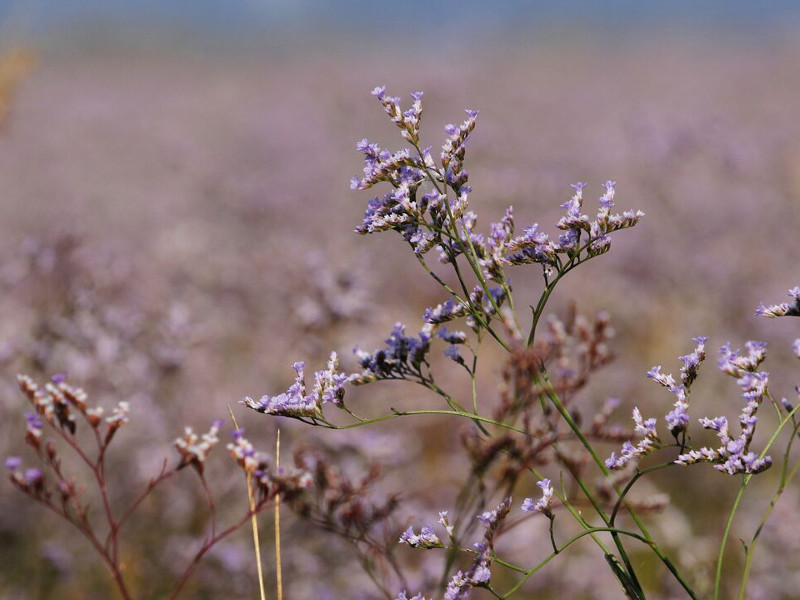
From the floristic point of view, the area of Foci dell'Isonzo is significant since many succulent plants, typical of salty environments are present: Salsola Kali, Cakile maritima, Suaeda maritima, Spergularia media, S. marina, Arthrocnemum sp.pl., and several species of the genus Limonium. The renovation area is characterized by the presence of rare amphibian and water species such as Typha minima, Eleocharis uniglumis, Eleocharis acicularis, Potamogeton polygonifolius. Along the Isonzo there are stretches of dry meadows with a high biodiversity level. Further significant environments are represented by the small reclamation canals having a high diversity level both considering its water and amphibian flora.
In the Natura 2000 area
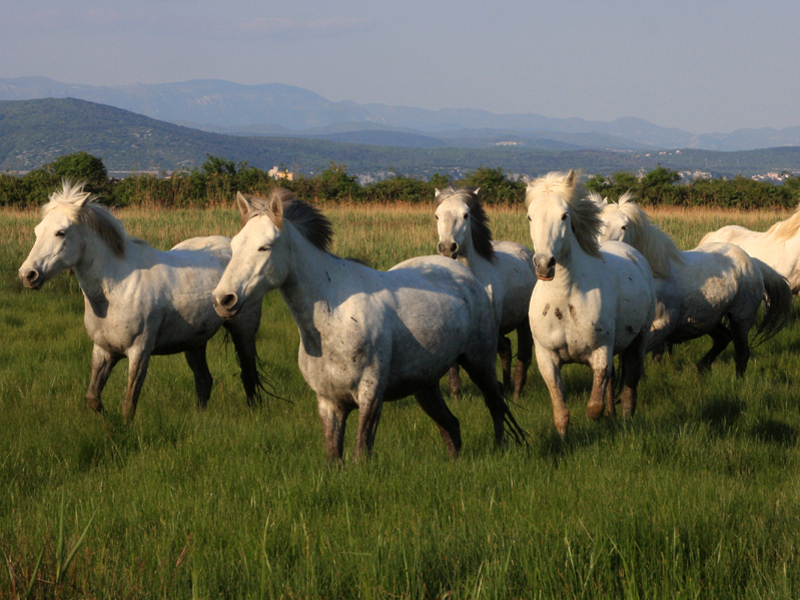
Within the Reserve, part of the meadow habitats is managed through grazing, using Camargue horses and, in summertime, Limousine bovines. In the Natura 2000 area, mostly covering the nature reserve, there are 20 habitats of community interest, two plant entities listed in the Annex I of the Habitats Directive, 20 faunistic entities listed in the Annex II of the same Directive and 98 bird species included in the Annex I of the Birds Directive.