Riserva Naturale della Foce dell'Isonzo

Points of Interest
Cona Island
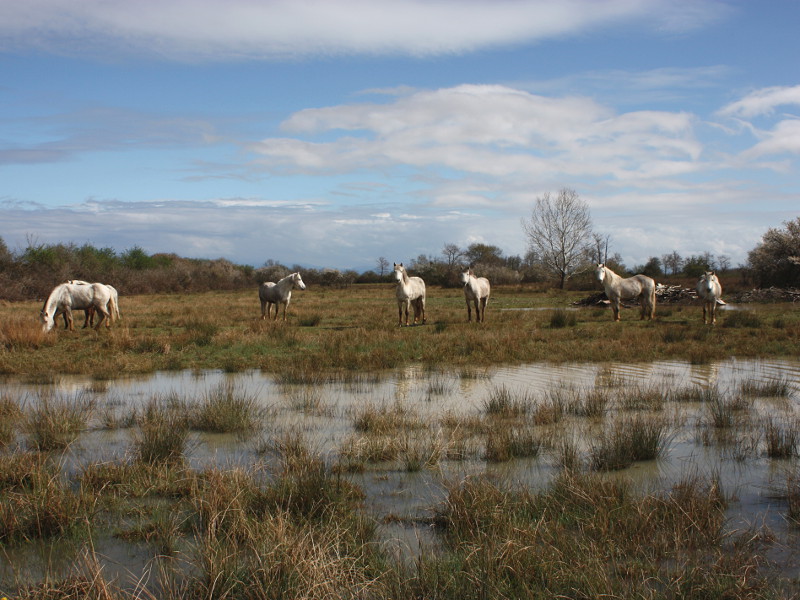
The main point of interest in the Reserve is the Cona Island, where several works for the environmental recovery have been carried out in the course of time, and where the main facilities such as the visitor center, the guest house, the bar, the paths, the observatories, the photography post and the horse stable are situated.
Mezza Cona
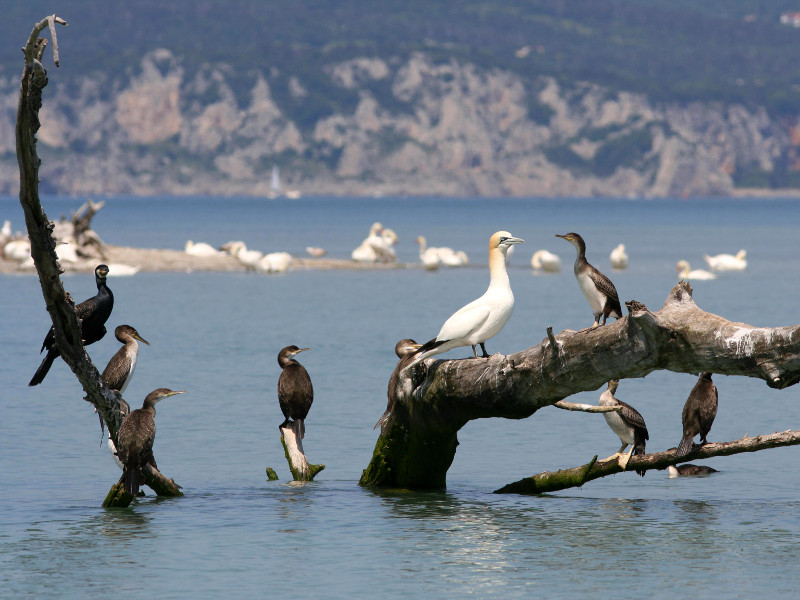
By walking through the path which from the visitor center leads to the mouth, after about half an hour one reaches Mezza Cona: from this point one can admire the wide low tide areas (called "velme") and the so-called "barene" (flat areas that are submerged only during the high tide periods): these features characterize the reserve and represent the most important element from the natural point of view. In autumn it is possible to observe more than 20,000 water birds resting or feeding on the food offered by the "velme".
Punta barene and Bosco Alberoni area
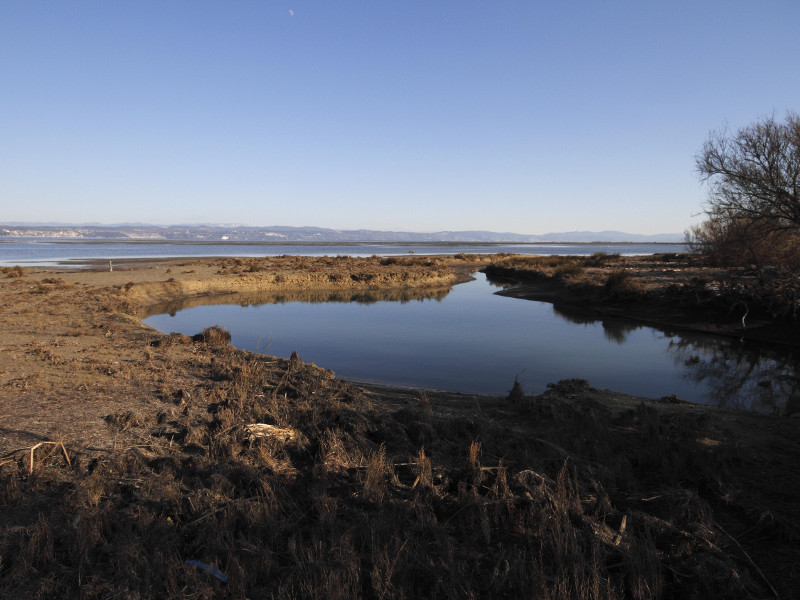
Another very interesting site is situated in the easternmost side of the Reserve, in the area of Punta barene and Bosco Alberoni. Punta barene lies on the left of the Quarantia canal and offers an extraordinary panoramic point on the gulf of Panzano, where the view stretches from the castle of Duino to that of Miramare. Bosco Alberoni represents a relict plain coastal forest, where it is possible to sight the black woodpecker, which usually inhabits the alpine and pre-alpine forests and reaches this area to nest at sea level.
Caneo Area
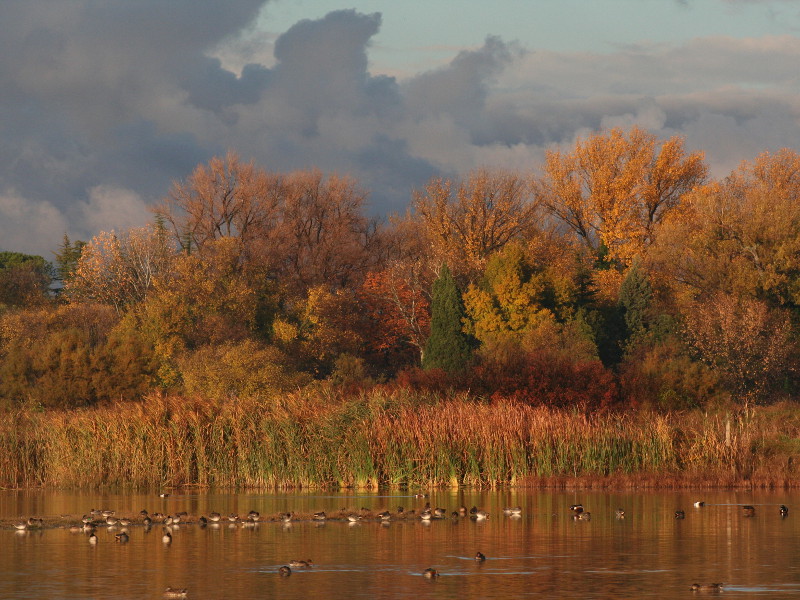
Near the mouth of the Isonzo river, on the left river bank, there is the Caneo area, characterized by a remarkable expanse of rushes and reeds, an important dormitory for the western marsh harrier and the hen harrier.
The area is equipped with a private accommodation facility, a small tour for the observation of the small islands by the river mouth, a small fishermen's village and a cycle lane leading to Grado by way of the Valle Cavanata Regional Nature Reserve.
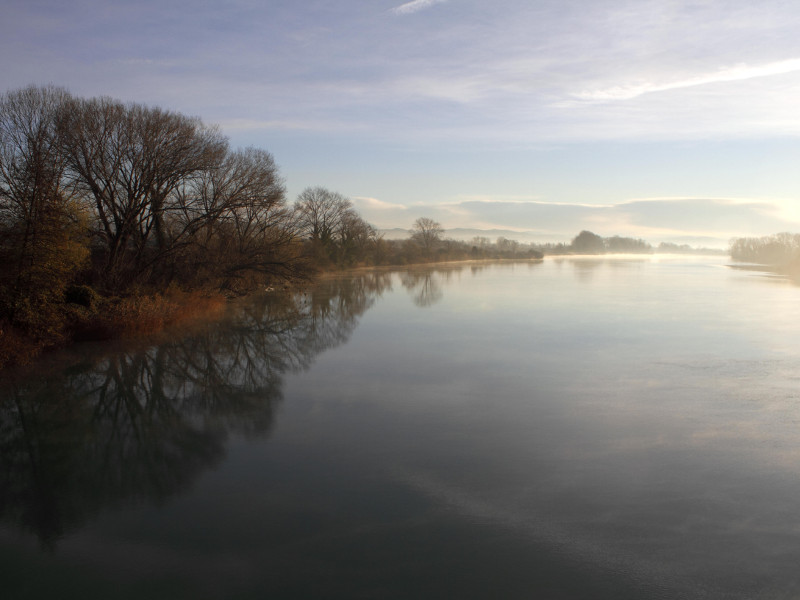
Isonzo's floodplain
If you would like to visit the less renown, but as much interesting parts of the Reserve, the Isonzo's floodplain in the northern side of the Reserve is definitely recommended. It is easily reachable from the Bridge of Pieris (GO) or from Fiumicello (UD), and then through the rural roads. The interesting features are represented by the floodplain woods, by the abandoned river branches and by the presence of interesting species, such as the common merganser, the black woodpecker, the European honey buzzard and the hobby.