Protected Area
Identity Card
- Vesuvio National Park:
- Land Surface Area: 8'482.00 ha
- Protected wildlife: 79 species (Italian text)
- Habitats: 4 types (Italian text)
- Regions: Campania
- Provinces: Napoli
- Municipalities: Boscoreale, Boscotrecase, Ercolano, Massa di Somma, Ottaviano, Pollena Trocchia, San Giuseppe Vesuviano, San Sebastiano al Vesuvio, Sant'Anastasia, Somma Vesuviana, Terzigno, Torre del Greco, Trecase
- Establishment Measures: L 394 06/12/1991 - DM 04/12/92 - DM 04/11/93 - DM 22/11/94 - DPR 05/06/95
- PA Official List: EUAP0009
- Park Authority: Ente Parco Nazionale del Vesuvio
- Further managed Protected Areas:
- Riserva Statale Tirone Alto Vesuvio
- Sito d'Interesse Comunitario Parco Nazionale del Vesuvio
- Sito d'Interesse Comunitario Vesuvio
- Zona di Protezione Speciale Vesuvio e Monte Somma
- Riserva MAB Somma-Vesuvio e Miglio d'Oro
Environment and Biodiversity
Somma-Vesuvio is the most important active volcanic group of continental Europe.
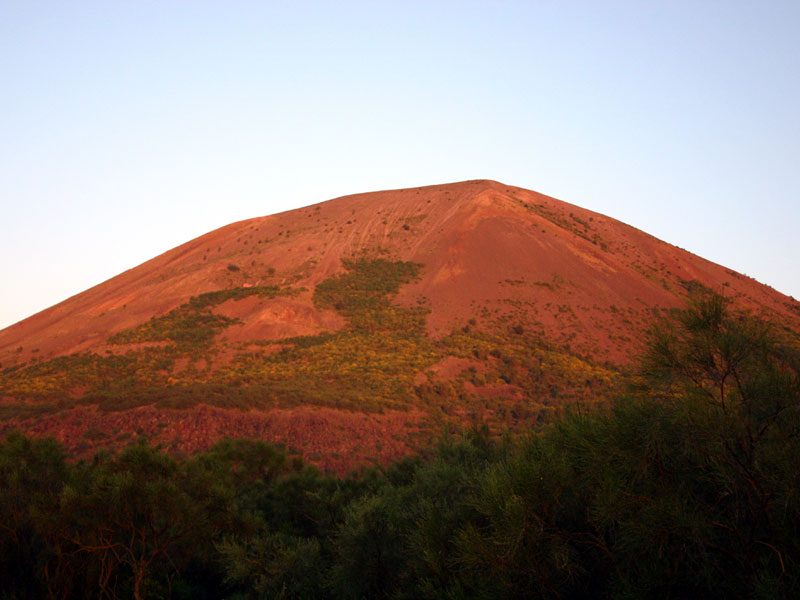
Situated in the Piana Campana, it is a characteristic example of fenced-in stratovolcano consisting of two different morphological structures: Somma caldera and Vesuvio Great Cone. Somma caldera, formed by the homonymous mountain, has a semi-circular shape and reaches its highest point with Punta Nasone (1,132m above sea level): it represents what it remains of the ancient volcano, whose activity dates back to at least 300,000 years ago. A large depression, Valle del Gigante, divided into Atrio del Cavallo and Valle dell'Inferno, represents the inner part of the ancient caldera; within it there is the most recent Vesuvio Great Cone (1,281m above sea level), destroyed and reconstructed more than once during ancient and recent eruptions. The fence of Somma is well preserved in its northern section and its crater edge is characterized by a series of summits, called "cognoli".
Flora
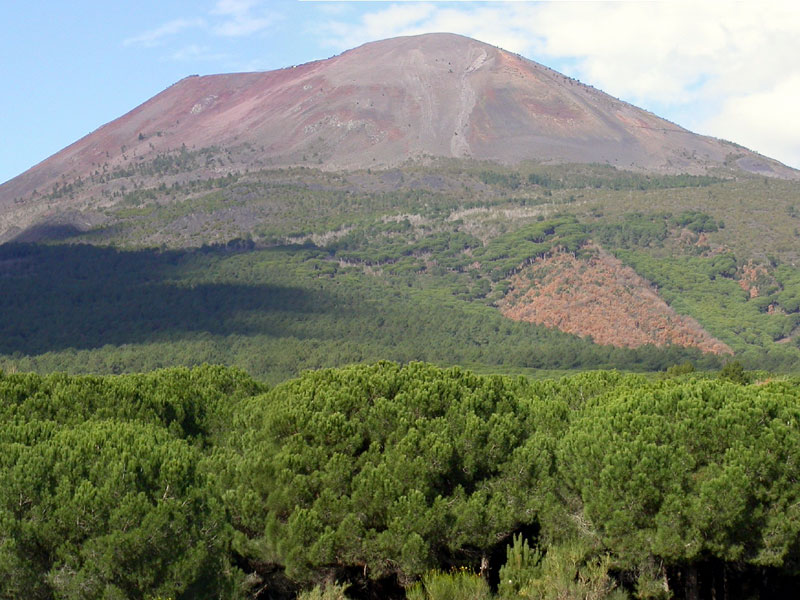
The slopes of Vesuvius and Mt. Somma are very different from a naturalistic point of view: the former is drier, has been partly subject to reforestation in order to avoid landslides and it is characterized by the Mediterranean maquis; the wettest slope of Mt. Somma is characterized by mixed woods. Several studies have demonstrated that the volcanic complex has been colonized by more than 900 vegetable species, including the extinct ones and the more recent ones; today there are 610 entities, 40% of which are made of Mediterranean species. The endemic species are only 18, probably because of the recent origin of the volcanic group.
Fauna
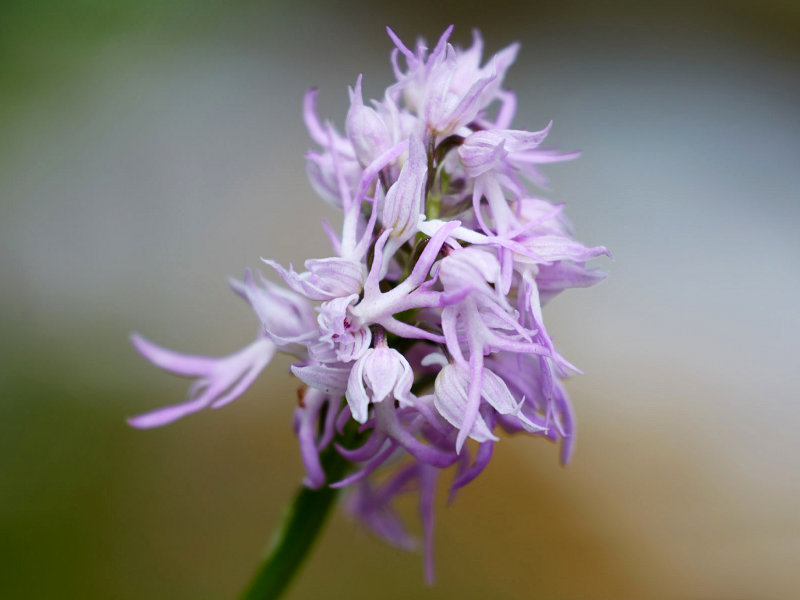
Although the area of the Park is completely inserted in an extremely anthropized context, and has assumed the typical characteristics of a biogeographic island, it presents a very interesting faunal community.

Geological Features
The geological and geomorphological structure of Somma Vesuvio
Volcanism in the Somma-Vesuvio area has been active since 400,000 years ago, as it is demonstrated by the presence of lava and tufa alternating with marine sediments, cored in the south-eastern part of the volcano at 1,350m of depth (Santacroce, 1987; Brocchini et al., 2001). The available data do not allow to establish if the volcanic activity derived from a central volcano or from fissural activity.
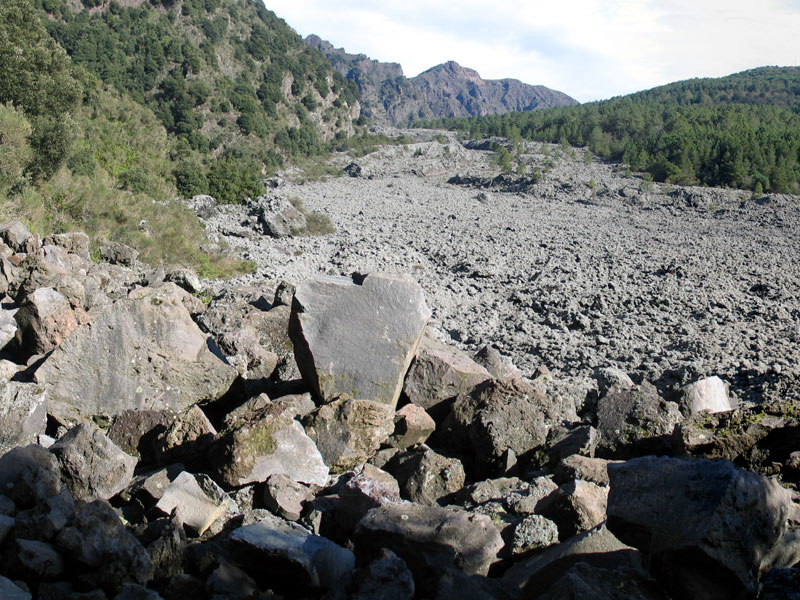
The Volcano
The landscape we observe today at Vesuvio is the result of important geological events that have interested Piana Campana since a few million years ago. Among the effects of these geological events there is the birth of the volcano, dating back to approximately 400,000 years ago. The geographical position of Vesuvio, the fertile lands enriched by the minerals contained in the lava, together with the beauty of the places, have led to the settlement of this area already from a few centuries after the birth of Christ. In this period, the Greeks first and the Romans after settled on the slopes of Vesuvius. These colonies will be interested by periods of demographic decrease and growth, both as a consequence of the activity and dormancy of the volcano and as a consequence of the historical and social events.