Points of Interest
The places of the heart
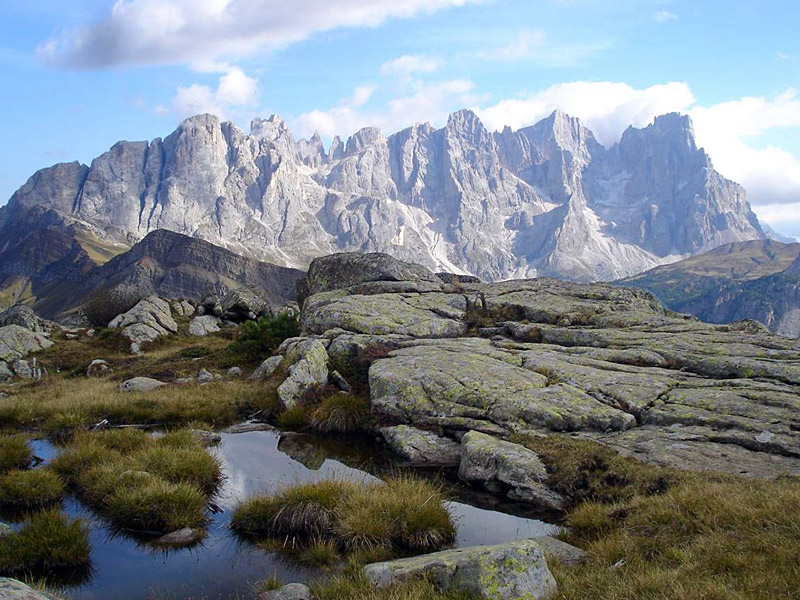
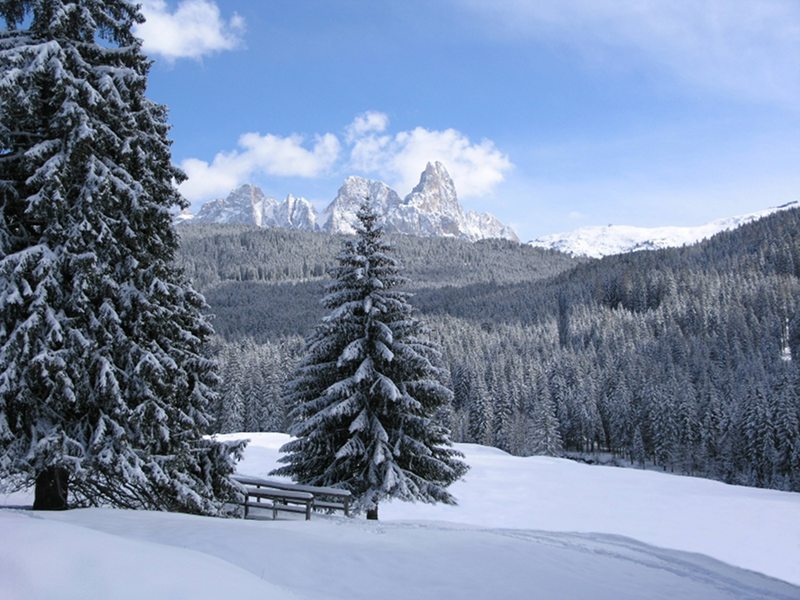
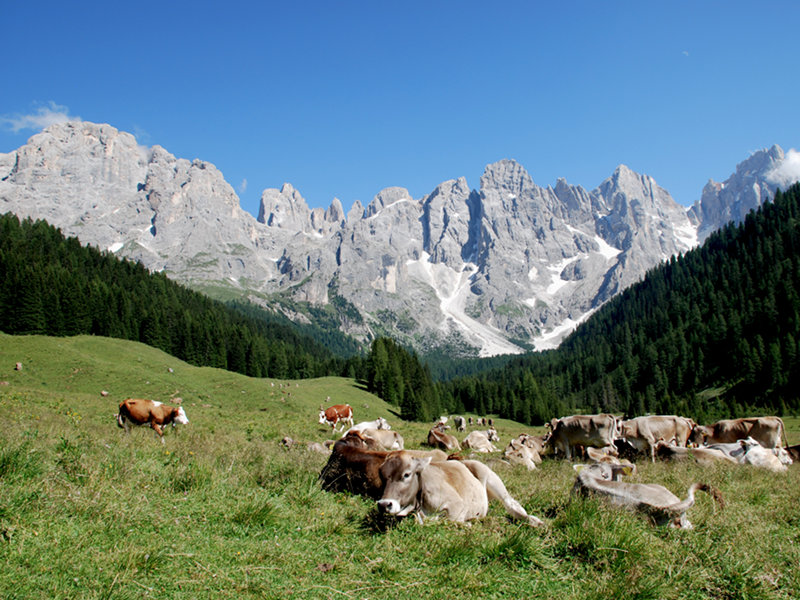
The entire territory of the Park has special features and peculiarities. However, there are some environments and some landscapes, that for their beauty and for the importance of their natural character or for their history, assume special significance in the collective imaginary. We call them Places of the Heart, because in discovering them, one can only feel an intense emotion, that is possible to perceive immediately in the heart.


Malga Miesnotta
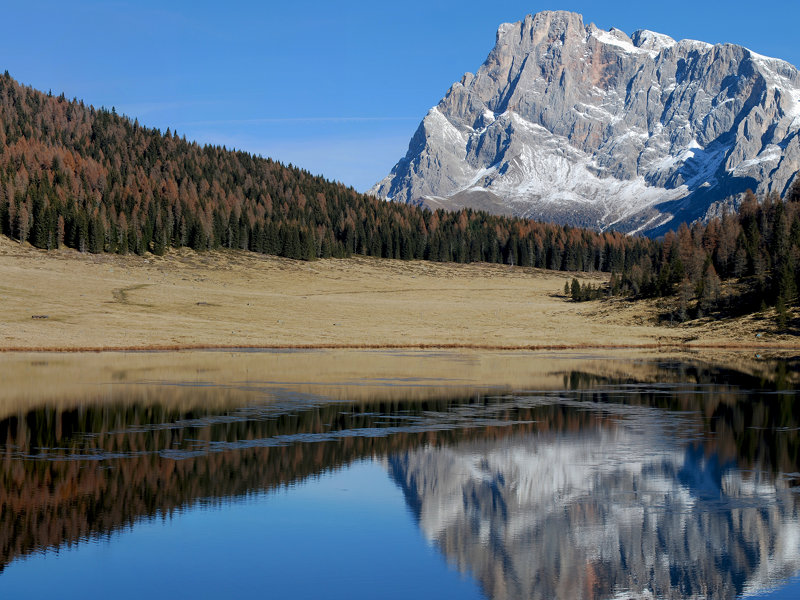
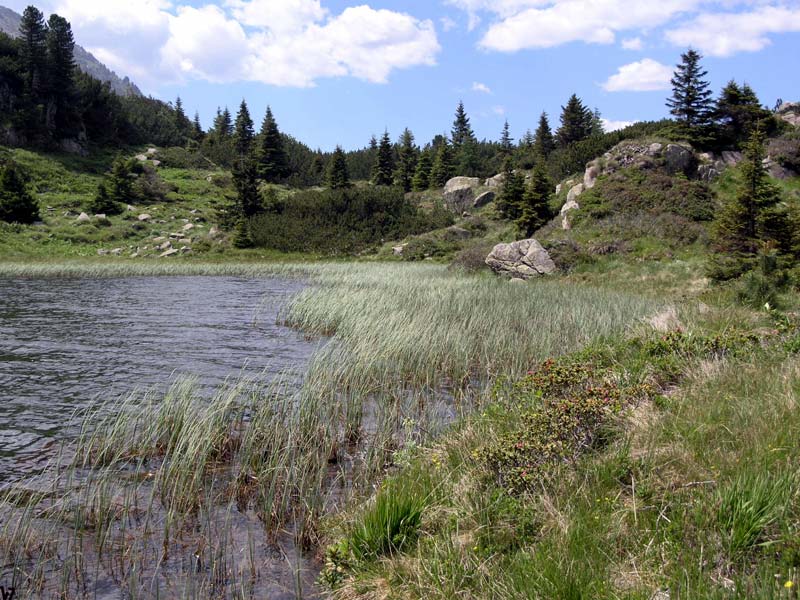
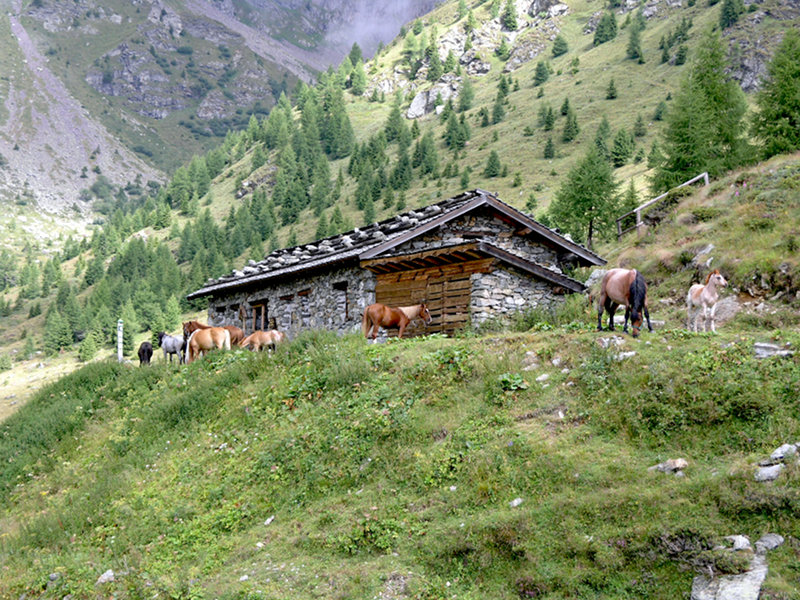
After following a stretch of Vanoi valley, always in the western section of the Park, and once you are in Caoria, take the path leading to Malga Miesnotta, a rural building used in the past for the summer grazing activities. The building has been recently renovated and is now used as a mountain hut. Therefore, the Malga represents an important example of traditional buildings recovery and acquires both cultural and historical meaning.
Fradusta Glacier
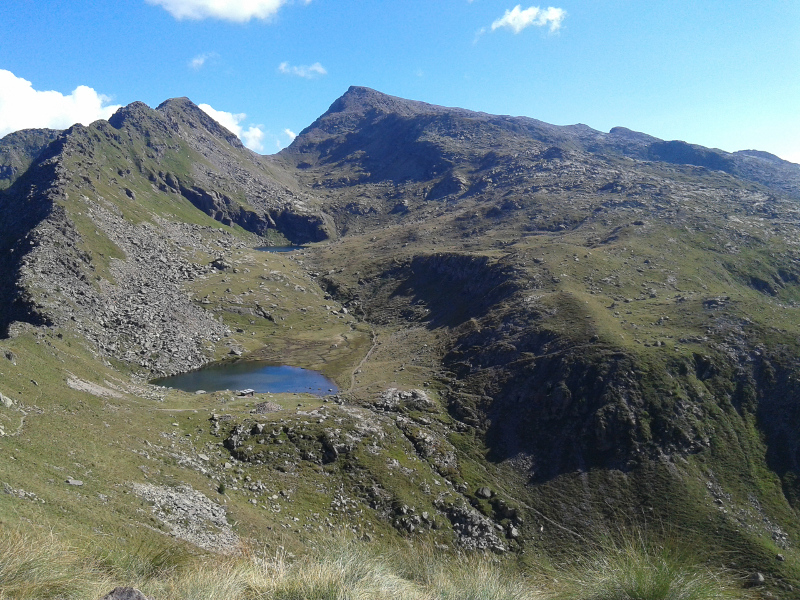
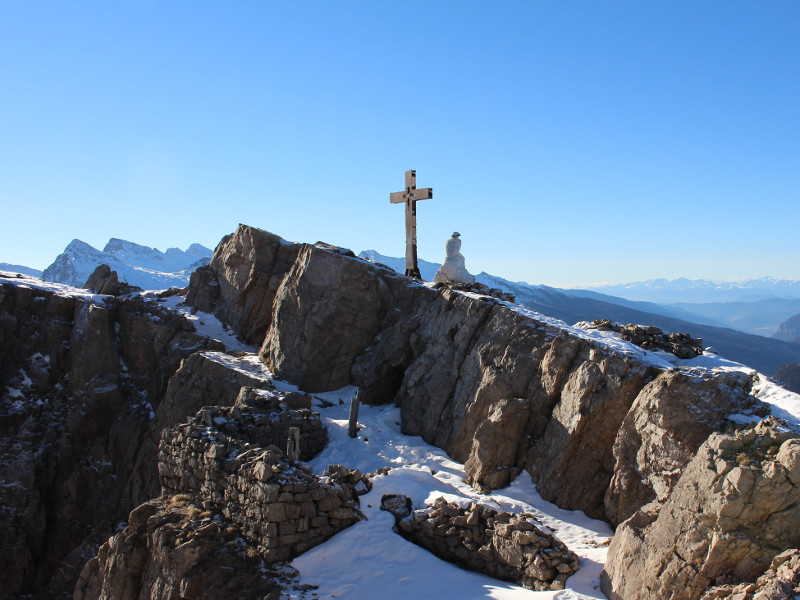
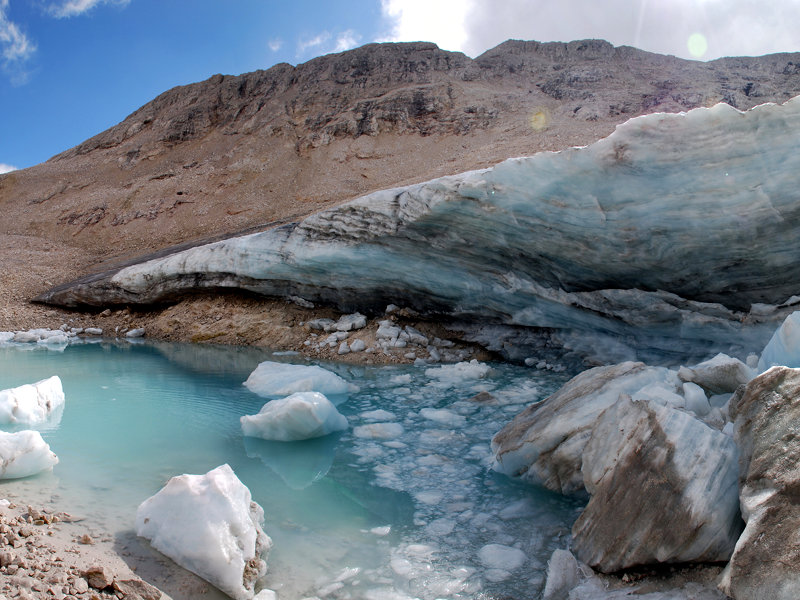
There are two glaciers resisting the test of time in Pale di San Martino: Fradusta Glacier and Travignolo Glacier. However, they experience the same fate of all the mountain glaciers of the Alps: the gradual withdrawal, to the extent that there is an ongoing study monitoring the state and evolution of both. Fradusta Glacier is the largest one: you can admire it along the traverse of Altopiano delle Pale, a route for well-trained hikers. The summit (2,939m) can be easily reached by taking a detour from the main path.
Litoteca - The Collection of Minerals
LITO derives from the Greek word "lithos", meaning ROCK, STONE.
For this reason, Litoteca is a collection of minerals.
Most of the rocks forming the Park mountains are gathered here.
However, thanks to the great geological diversity of this extraordinary territory, the collection houses the main rocks of Trentino and the whole alpine chain.
The "books" have been cut and carved by hand from the rocks gathered in the Park.
The front "cover" of each book has been polished; the spine has been smoothed; the back "cover" is crude, in order to show the many "sides" of each rock.

Xiloteca - The Collection of Woods
XILO derives from the Greek word "ksylon", meaning WOOD.
Therefore, the xiloteca is a collection of woods coming from adult trees.
Almost all the tree species growing in Trentino, including cultivated species, are on display here.
Besides the spontaneous mountain species - like, for instance, all the species living in the Park - the collection also houses more thermophile or even Mediterranean species, growing in Trentino in the area of Garda Lake.
Each "book" describes one species and has been created with the wood coming from it: the books have been made and carved by hand, with wood coming from already cut trees or from old timber.
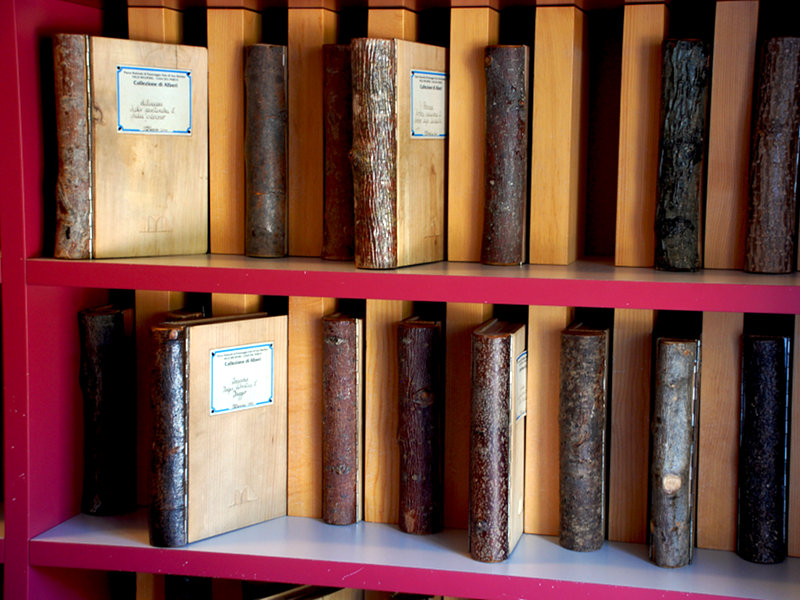
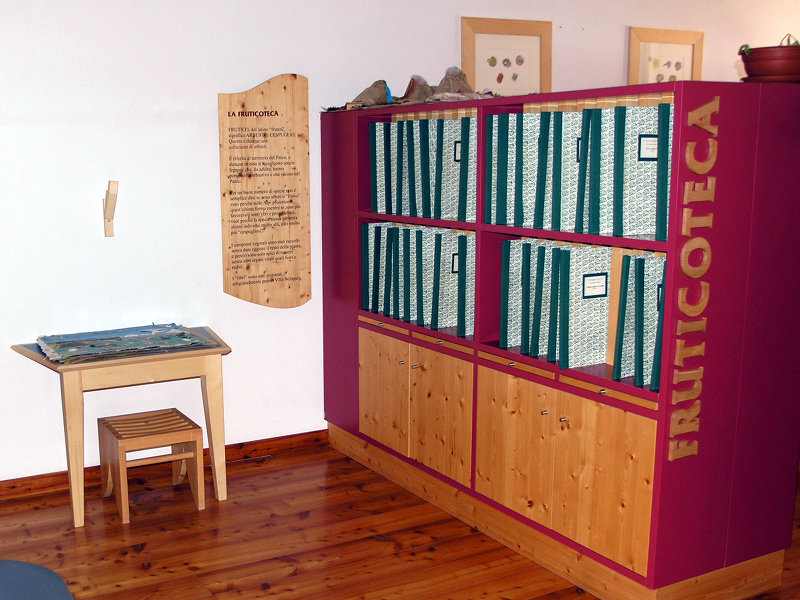
Fruticoteca - The Collection of Shrubs
FRUTICO derives from the Latin word "frutex", meaning SHRUB.
Therefore, the fruticoteca is a collection of shrubs. It is dedicated to the Park territory, and houses wooden species of adult shrubs growing in the Park area.
For several species, it is not easy to say whether they are trees of "frutici", because if in the Alps they are shrubs, in more favorable areas they become real trees. Moreover, sometimes the same species includes very high specimens and more "shrubby" specimens".
The vegetable samples have been gathered without damaging the rest of the plant: therefore, they are only ends of small branches, and not vital parts like trunks and roots.