Parks.it Homepage

Parco Naturale Regionale Monti Simbruini

www.simbruini.it
Local Banner for the promotion of the territory

Points of Interest

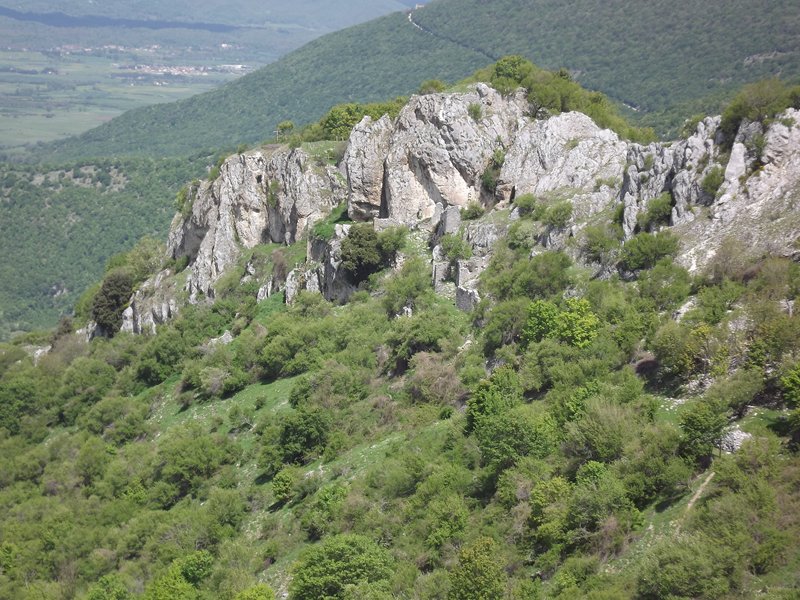
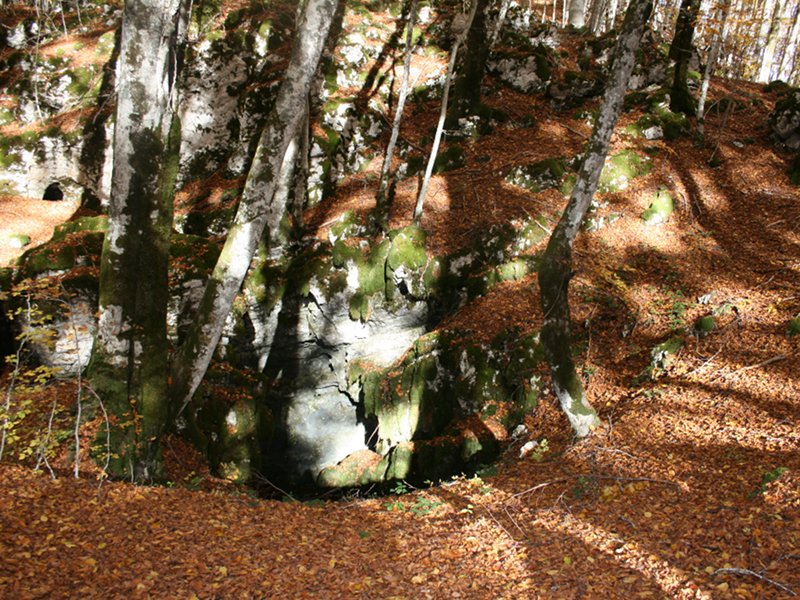
Karst phenomena
Karst phenomena
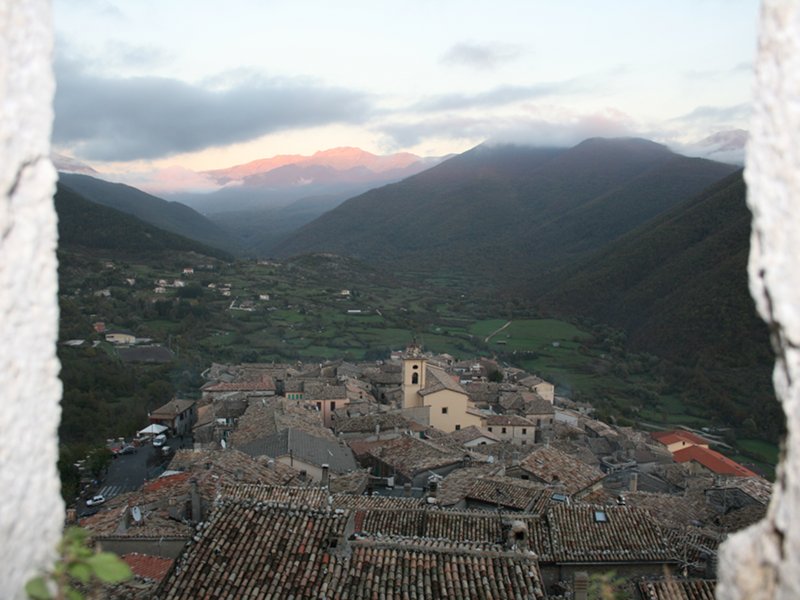
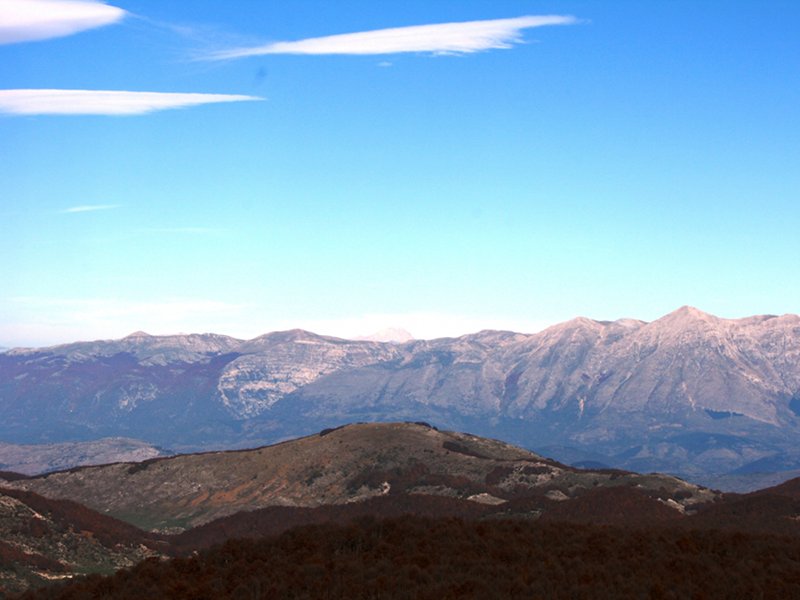
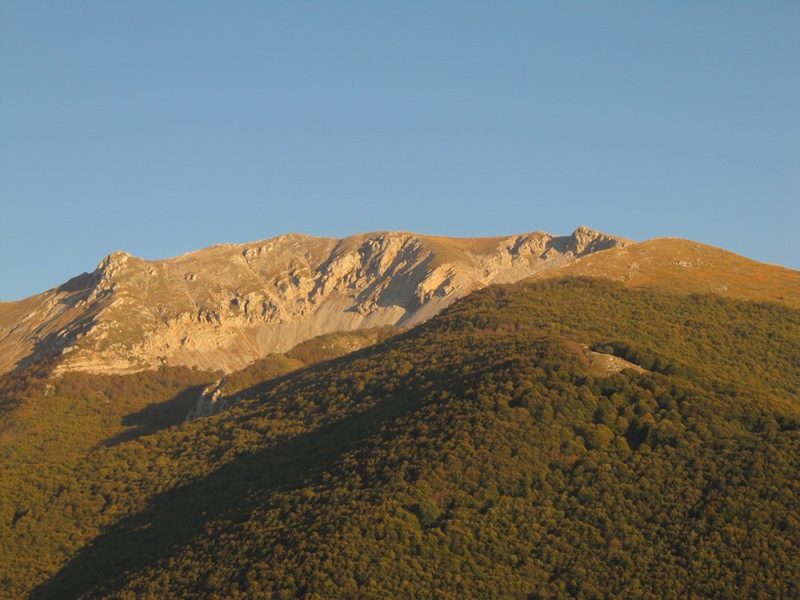
Panorama of Mt. Viglio
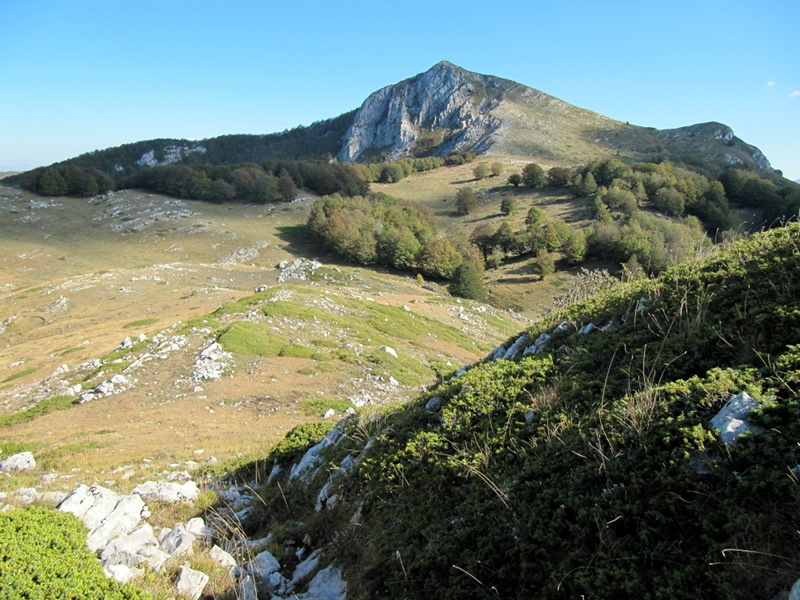
Walk
Walk
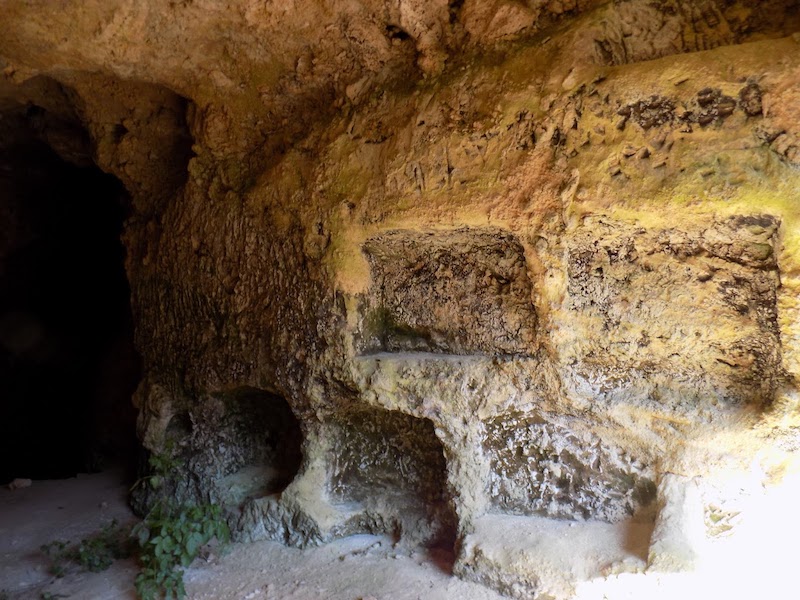
Inferniglio Cave
Inferniglio Cave

Geological Features

Simbruini Mountains are almost exclusively formed by outcropping Mesozoic units in facies of carbonate platforms dating back to a period between the Upper Triassic and part of the Upper Cretaceous (220-60 million years).
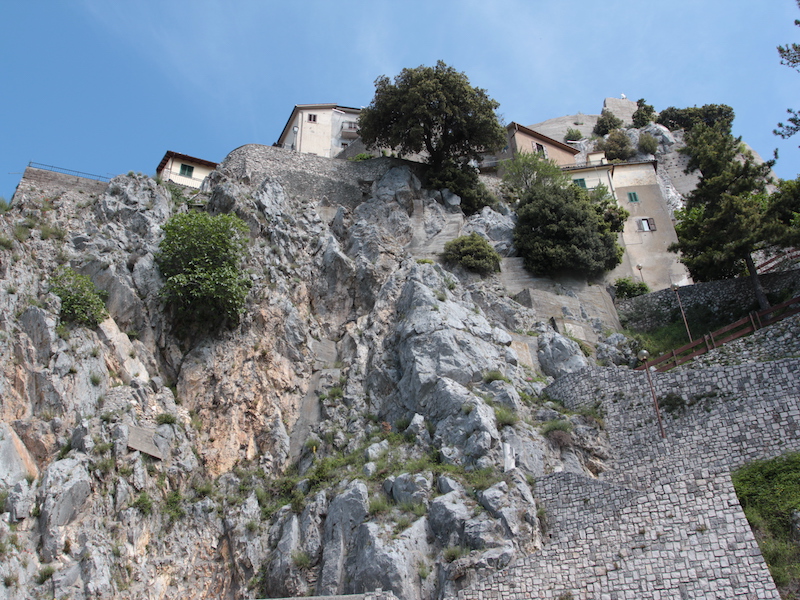
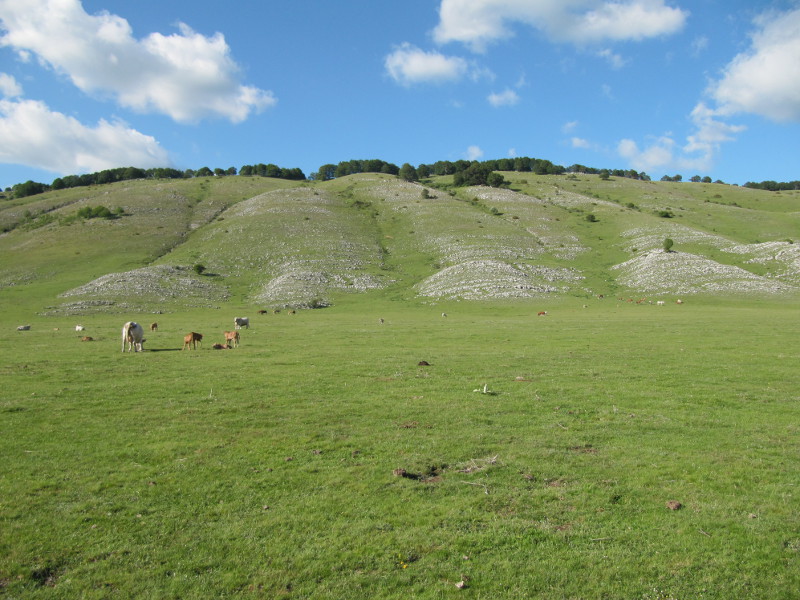
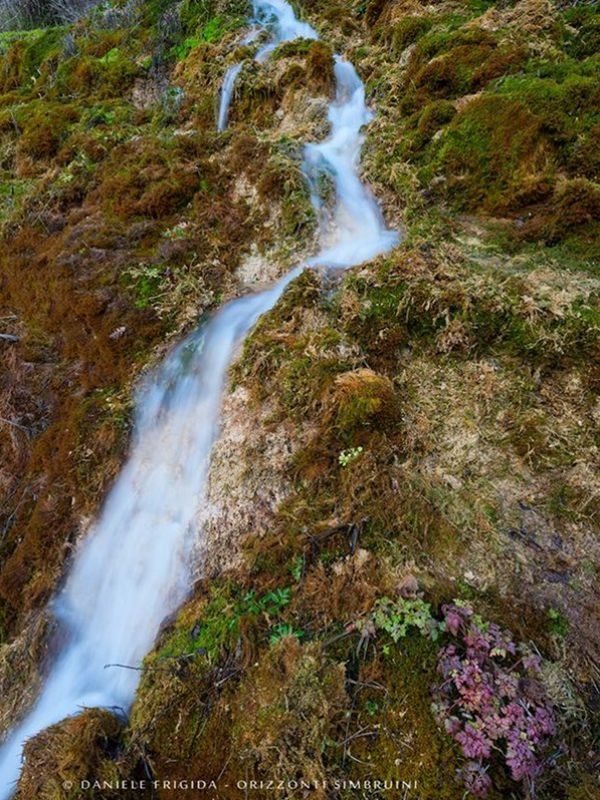
A few outcrops of more recent deposits, always carbonate but in different facies (formations dating back to the Lower Miocene) can be found in the northern fringe of the ridge. Deposits of siliciclastic nature, probably of the Upper Miocene, can be found only in the SE in the valleys of the river Aniene, in the NE in Valle Roveto, and in the N in Carsoli plateau. Large areas of Quaternary deposits represented by conglomerates and calcareous brecce of various origin complete the main outcrops of the area. Simbruini complex is a classical example of the dominating tectonic style cut into batches characteristic of the horsts of the central and southern Apennines. As a matter of fact, the mountain chain is crossed by a longitudinal and transversal fault system with fractures between Jenne and Cervara di Roma, as well as with transcurrent faults, like along the right slope of Valle Roveto. The members of the Miocene formation have been compressed between stiff Cretaceous blocks (Valle Roveto tectonic graben), and suffered a sub-parallel fracture in the main ridge of the Sublacense area. For the evident carbonate nature of most of Simbruini massif, the karstic phenomenon is very widespread. The mountains, shaped by the meteoric waters becoming slightly acidulous for the carbon dioxide of the atmosphere and the carbon dioxide released by the surface strata of humus, have been eroded and have acquired the most varied shapes.
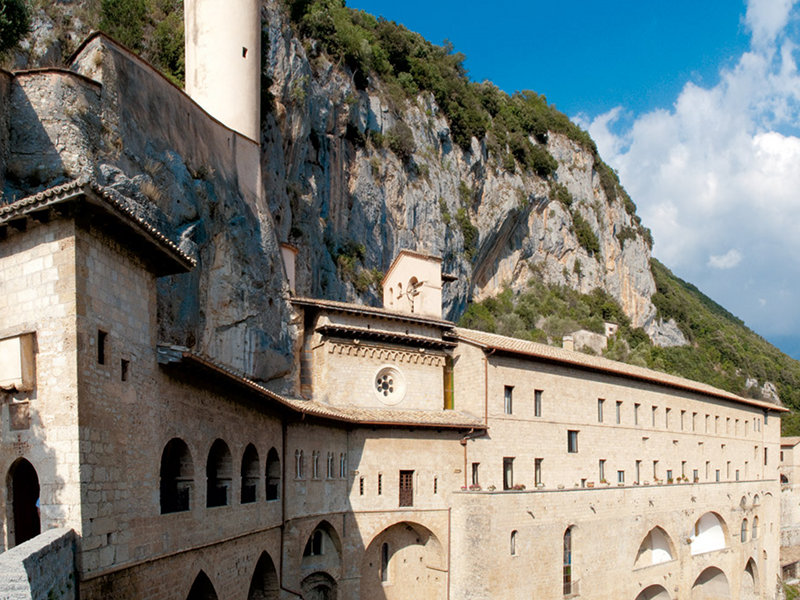

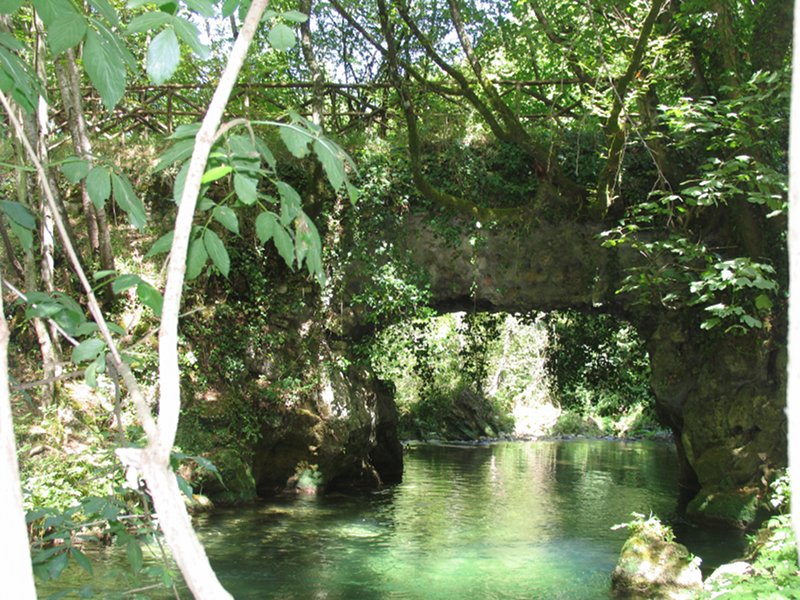
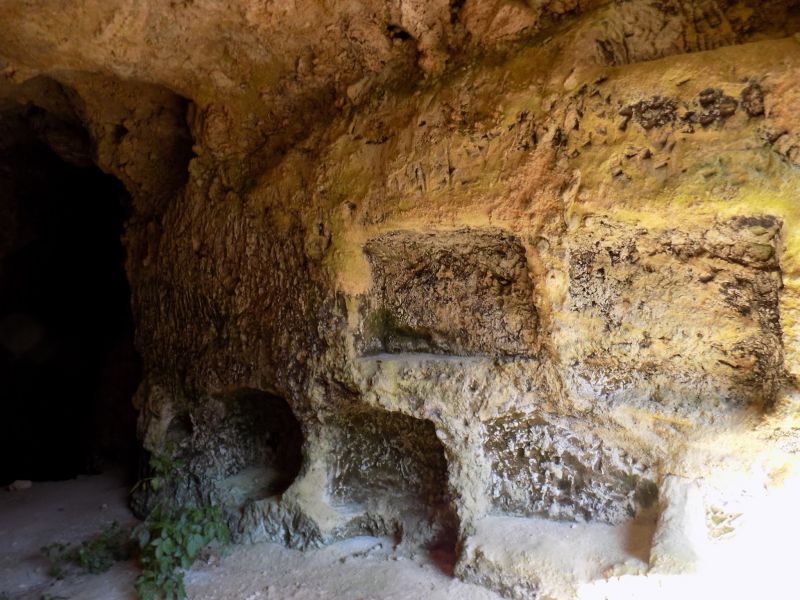
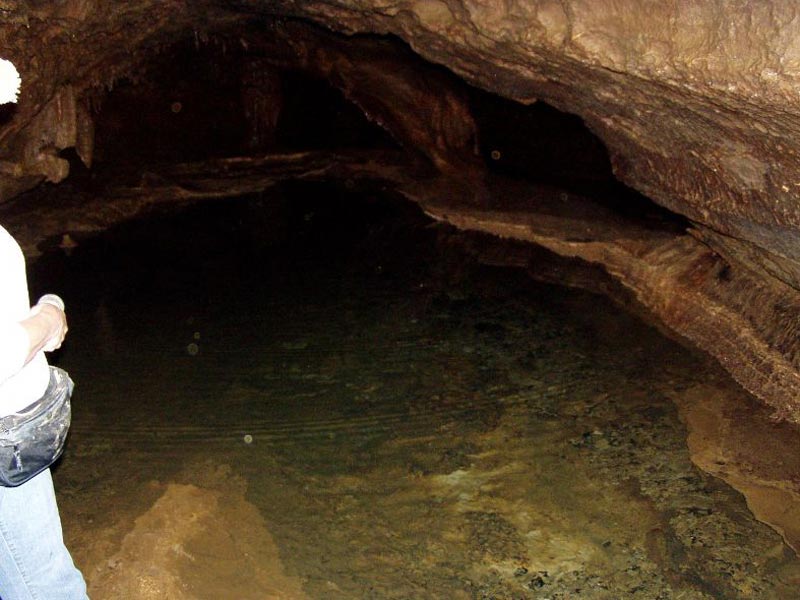
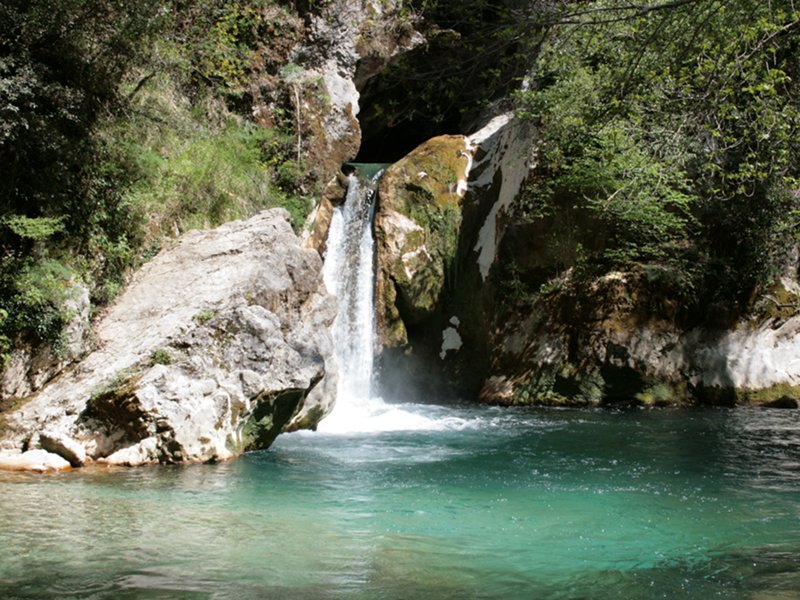
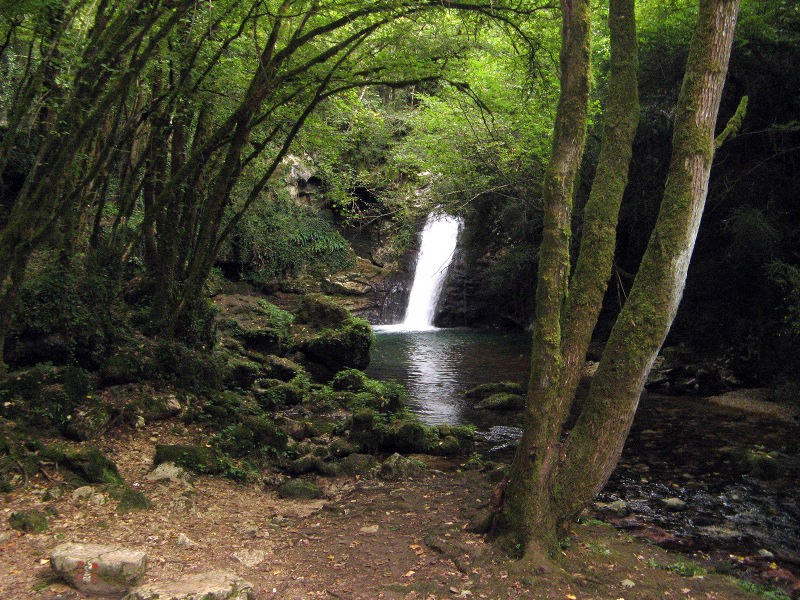
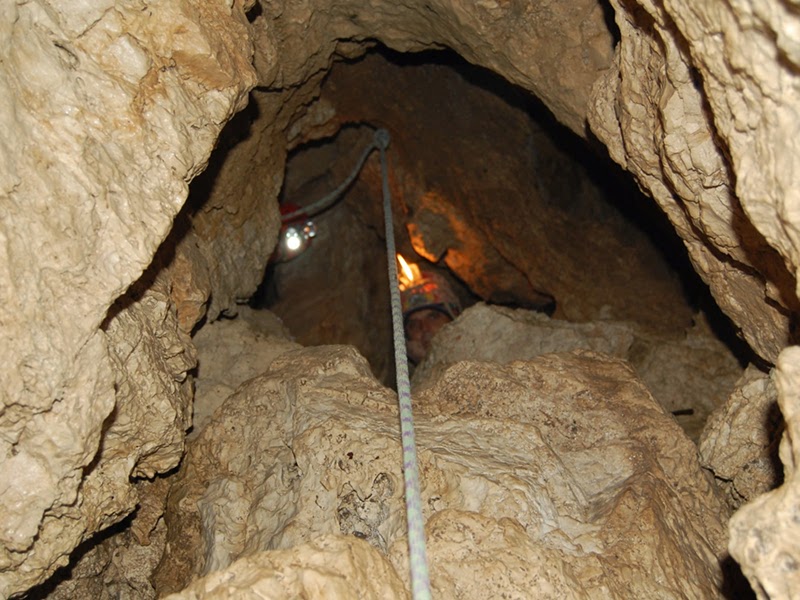
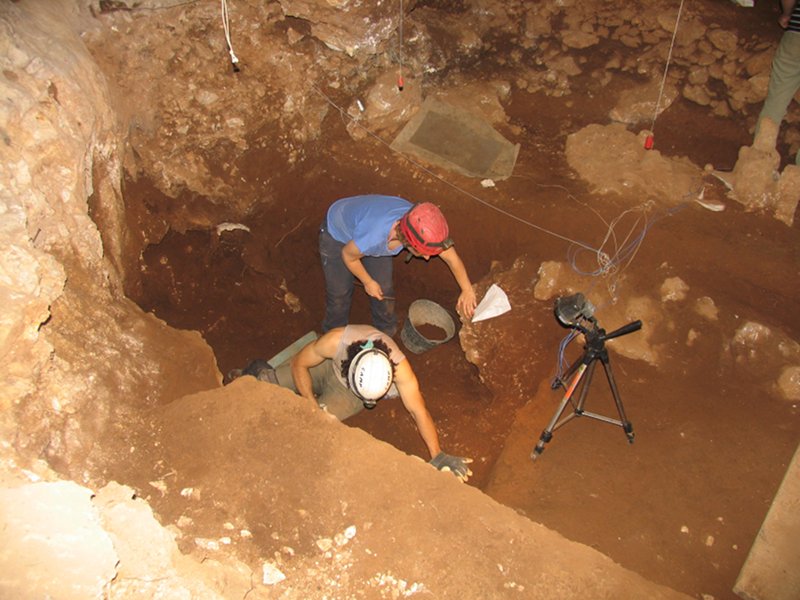
In Simbruini, the big karstic depressions or "fields" are several: among them, the famous Campo Ceraso, dell'Osso, della Pietra and, especially, Piano di Camposecco near Camerata Nuova. The latter is the most spectacular plateau of Simbruini, with several swallow holes and dolines, some of which also large and deep. Through these surface fissures, the water starts long subterranean routes leading to the several valley bottom springs. In the latest years, several speleological groups from Lazio have contributed to the speleological knowledge of the area. The most known cave of Simbruini is Inferniglio resurgence, opening at 512m asl in the Municipality of Jenne. This system probably drains the waters in the area of Campo dell'Osso-Mt. Livata and has been the object of important underwater explorations. The 2,500m survey carried out in the mountain by following the course of a subterranean river would demonstrate the existence of a big collection drain probably fed by a complex hypogeal network developing for dozens of kilometers. Further important cavities in Simbruini Mountains are Pertuso di Trevi, near the artificial dam of Aniene, between Filettino and Trevi nel Lazio, Pozzo della Creta rossa in the north of Jenne, Camposecco swallow hole, Grotta della Neve on the slopes of Mt. Viglio and the 600m deep Grotta degli Urli on the south-western slope of Mt. Agnello (Campocatino) situated along the Park border. The waters of this cave resurface in the resurgences of the Upper Aniene Valley. In particular, the water and geological surveys carried out by Circolo Speleologico Romano have demonstrated that the chemical tracer (Fluorescein) put into the final siphon of Grotta degli Urli appears again in Trevi nel Lazio, over 8 km far away, in Grotta della Foce.


share-stampashare-mailQR Codeshare-facebookshare-deliciousshare-twitter
© 2013 - Parco Naturale Regionale Monti Simbruini